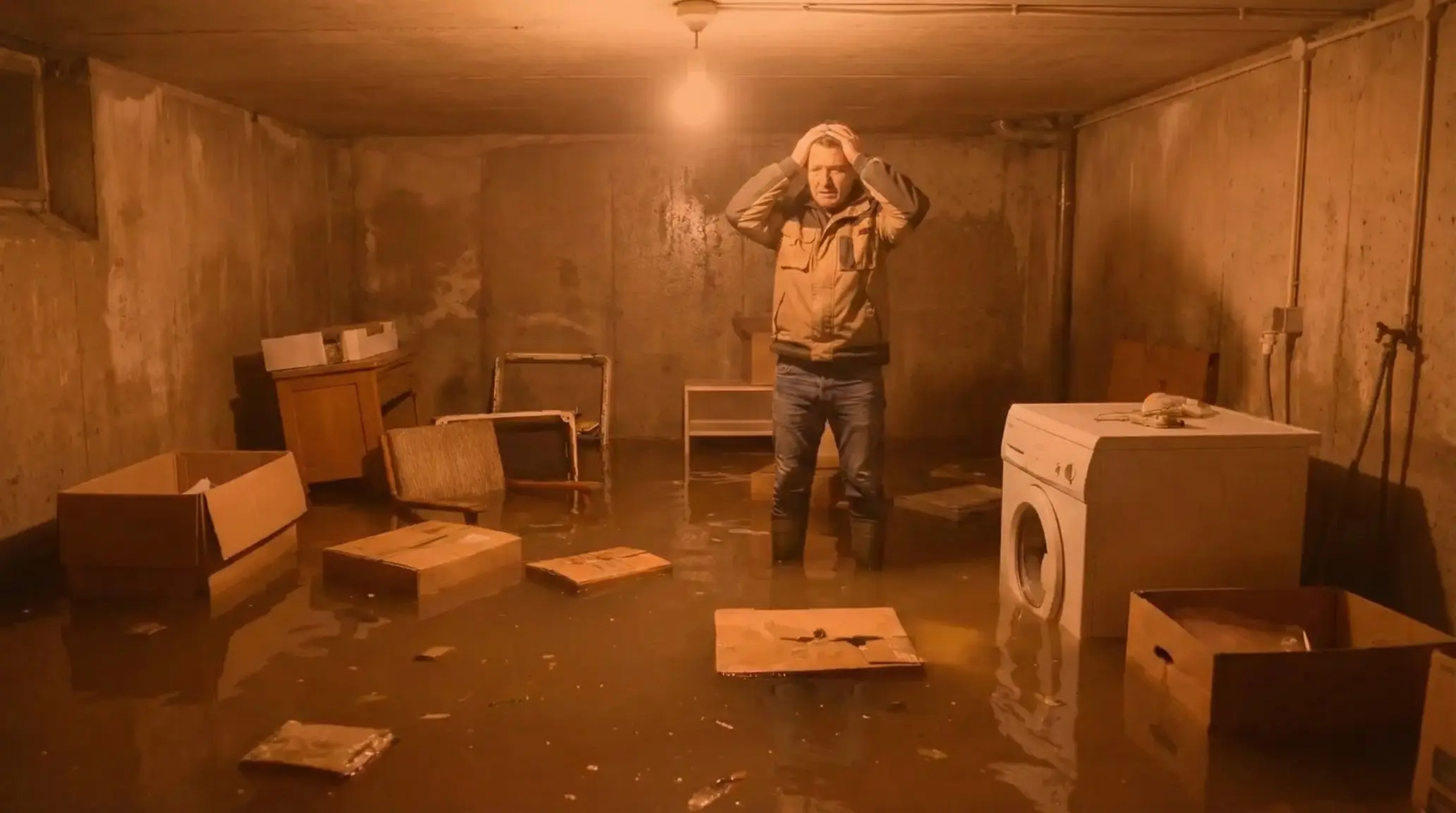
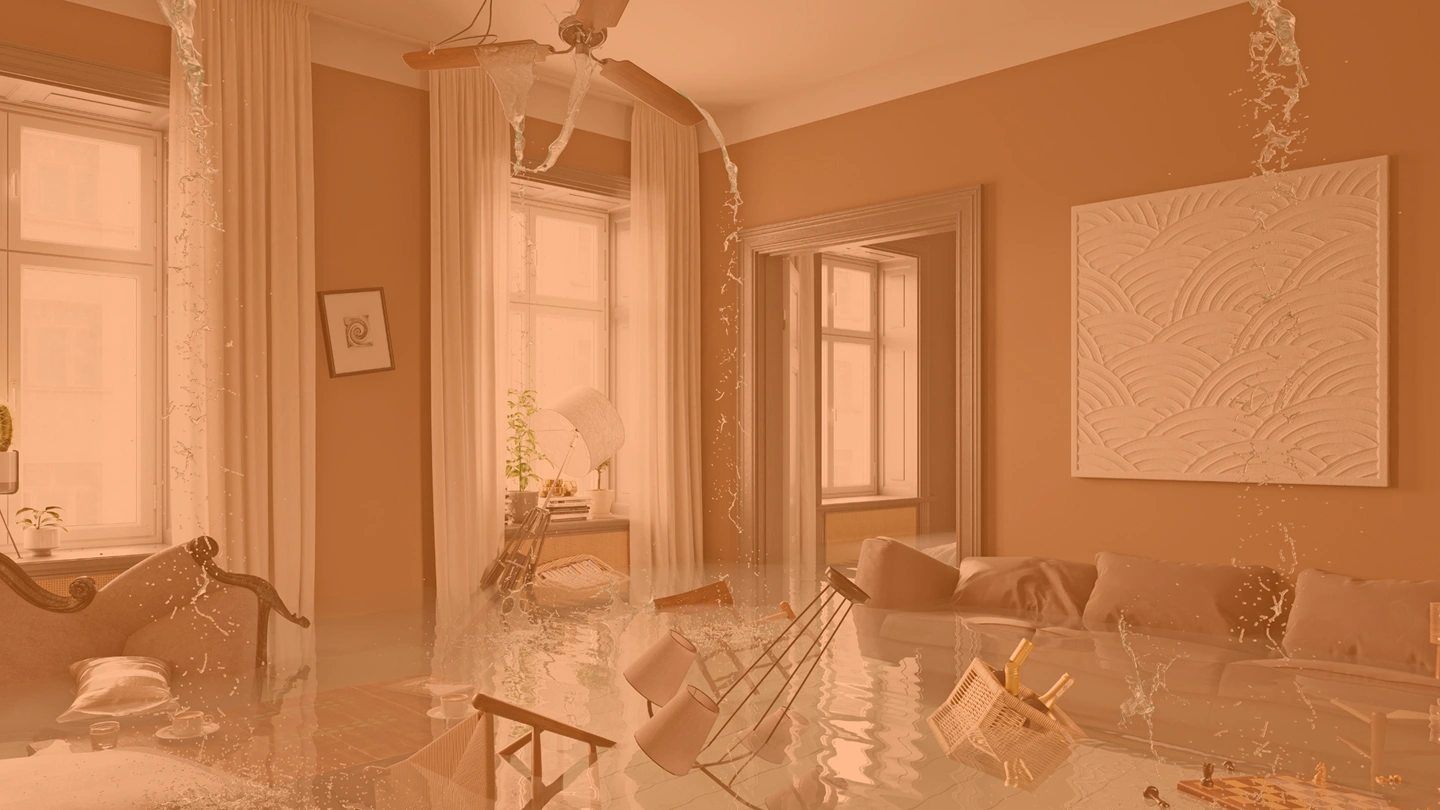
Facing a flooded basement requires immediate action to prevent structural damage and mold growth. From ensuring electrical safety to extracting water and disinfecting surfaces, follow these essential steps to restore your home effectively.
To clean up after a flooded basement, you must first ensure safety by turning off electricity and wearing protective equipment, then remove standing water using a wet/dry vacuum or sump pump.
After extracting the water, thoroughly dry the space with dehumidifiers and fans to prevent mold growth, which can develop within 24 to 48 hours.
Finally, clean and disinfect all surfaces with mild soap and warm water, including walls, floors, and salvageable belongings.
Prioritize Safety
Before entering the flooded basement, turn off the power at the circuit breaker, and if you cannot safely access it, call our qualified electricians at ProFix 24/7.
Always wear waterproof boots, rubber gloves, and protective clothing when handling contaminated water, and use an N95 or N100 face mask if mold is present.
Document the Damage
Take comprehensive photos and videos showing the water level, damaged walls, flooring, and affected furniture before you begin any cleanup work.
This documentation is essential for filing insurance claims and ensuring you receive proper compensation for your losses.
For manageable water levels, use a wet/dry vacuum, or deploy a sump pump for larger floods to extract water efficiently.
Pump water out gradually at the same rate that floodwaters recede outside to prevent structural damage to your basement walls from pressure differences.
Dry Out the Space
Set up fans and dehumidifiers throughout the basement, and open windows if outdoor conditions are dry to reduce humidity levels.
Be patient during this process, as complete drying can take up to two weeks depending on the extent of flooding and environmental conditions.
Clean and Disinfect
Once water drains, shovel out any mud, then rinse concrete walls with a high-pressure hose and scrub with a stiff bristle brush and detergent.
After cleaning, disinfect all surfaces by rinsing them with a solution of 1/2 cup chlorine bleach mixed with 1 gallon of water to kill bacteria and prevent mold.
Remove Damaged Materials
Remove and discard wet drywall, insulation, and carpeting, as these porous materials absorb water quickly, harbor mold, and prevent proper drying of structural elements.
Move any salvageable wet items to a well-ventilated area where they can dry completely before deciding whether to keep or discard them.
FAQ
1. What kills mold after a flood?
Detergent and water kill mold after a flood, and disinfectant or diluted bleach kill any remaining mold on hard surfaces. People must never mix bleach with ammonia or acids.
2. How long does it take for mold to grow after flooding?
It takes 24 to 48 hours for mold to grow after flooding if wet items are not dried promptly. This rapid growth timeline makes it critical to begin drying and cleaning immediately after water is removed.
3. Can a flooded basement cause mold?
A flooded basement can cause mold if materials do not dry within 48 hours, because mold growth often begins in as little as 24 to 48 hours after flooding.
Porous materials like drywall, insulation, and carpeting are especially vulnerable and should be removed if they cannot dry quickly. Proper ventilation and dehumidification are essential to prevent this health hazard.
4. How to get the smell out of basement after flood?
To get the smell out of basement after flood, you must first eliminate the odor source by thoroughly removing all wet, porous materials and ensuring the structure is completely dried using industrial fans and dehumidifiers.
Then, ventilate the area continuously and apply odor-neutralizing agents like baking soda or commercial enzymatic deodorizers to hard surfaces and the circulating air.
5. Does flood insurance pay for cleanup?
Flood insurance does sometimes pay for cleanup, but specific coverage depends on your policy terms and the damages included in the claim.
Many standard flood insurance policies have limitations on basement coverage, often covering only structural elements and essential systems rather than contents or finished areas.
6. What not to do after a flood?
After a flood, you must not enter if there are safety dangers, never turn on power in wet areas, never mix cleaning chemicals, and never keep soaked items longer than 48 hours.
Additionally, avoid using electrical appliances or outlets that have been exposed to water until a qualified electrician inspects them. These precautions prevent electrocution, chemical exposure, and mold contamination.
7. How to sanitize a house after a flood?
To sanitize a house after a flood, you should remove all standing water, discard wet materials that cannot dry quickly, and clean every surface with detergent. Then you should disinfect hard, non-porous surfaces with an appropriate disinfectant and dry the entire structure completely.
8. What to throw away after a flood?
After a flood, you must throw away wet carpet, padding, insulation, and drywall if those cannot dry within 48 hours. By promptly discarding these saturated materials, you proactively secure a clean, dry foundation for restoration, successfully safeguarding your home's indoor air quality and structural integrity. Document all discarded items with photos for insurance claims before removal.
9. What type of professional fixes flooded basements?
Certified water damage restoration companies fix flooded basements by following national drying and mold standards. These professionals have specialized equipment like industrial dehumidifiers, air movers, and moisture meters to ensure complete drying and proper remediation.
10. How long to dry out a basement after a flood?
It takes several days or longer to dry out a basement after a flood, and you must start drying within one day to avoid problems. The exact timeline depends on the extent of flooding, humidity levels, and ventilation, but most basements require at least one to two weeks for complete drying.
11. How to bleach a basement after flooding?
To bleach a basement after flooding, people must use bleach only on hard surfaces after detergent cleaning, follow proper dilution guidelines, ventilate the area, and never use bleach on porous materials.
Mix 1 cup of bleach with 1 gallon of water and apply to non-porous surfaces like concrete, tile, and metal. Allow the solution to sit for at least 10 minutes before rinsing to ensure effective disinfection.