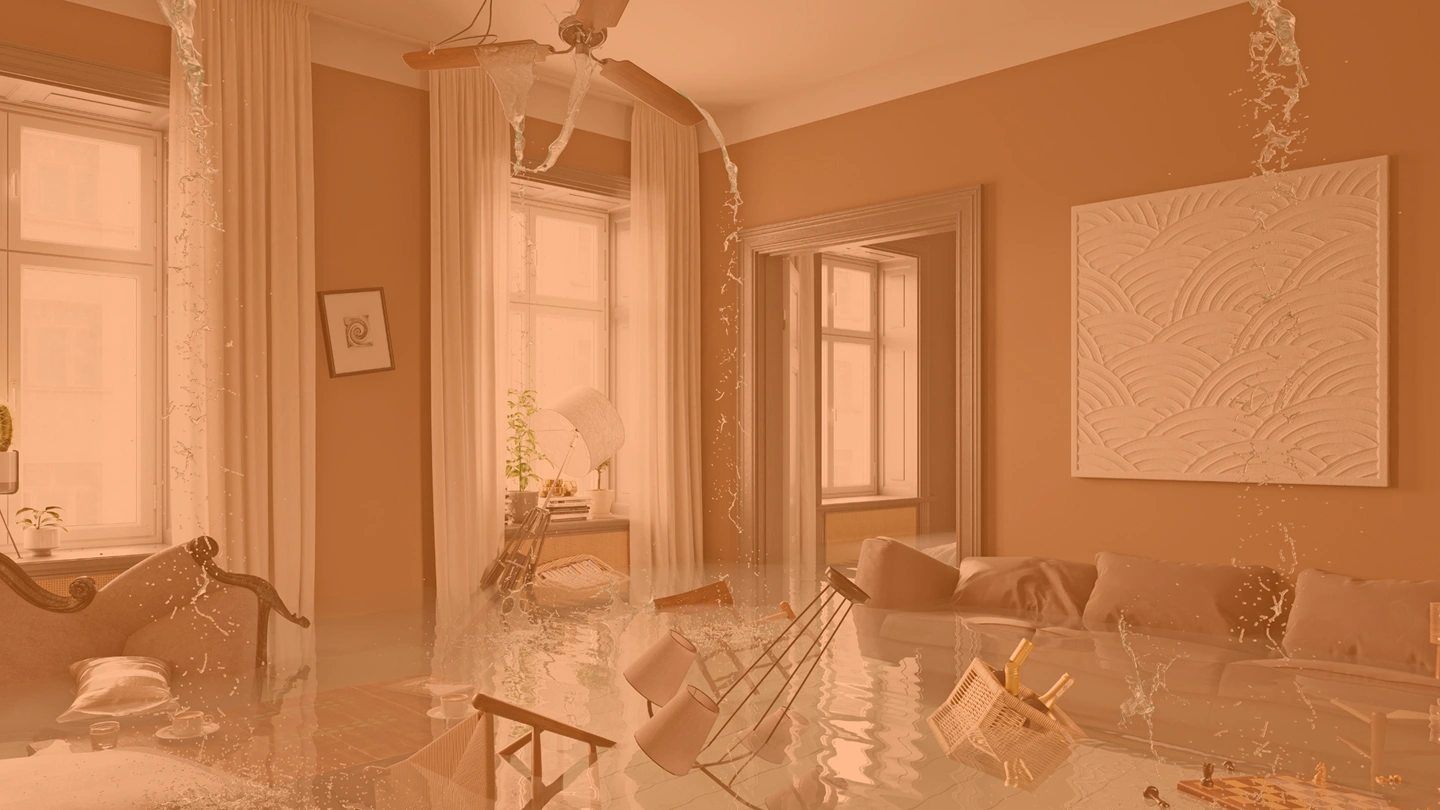
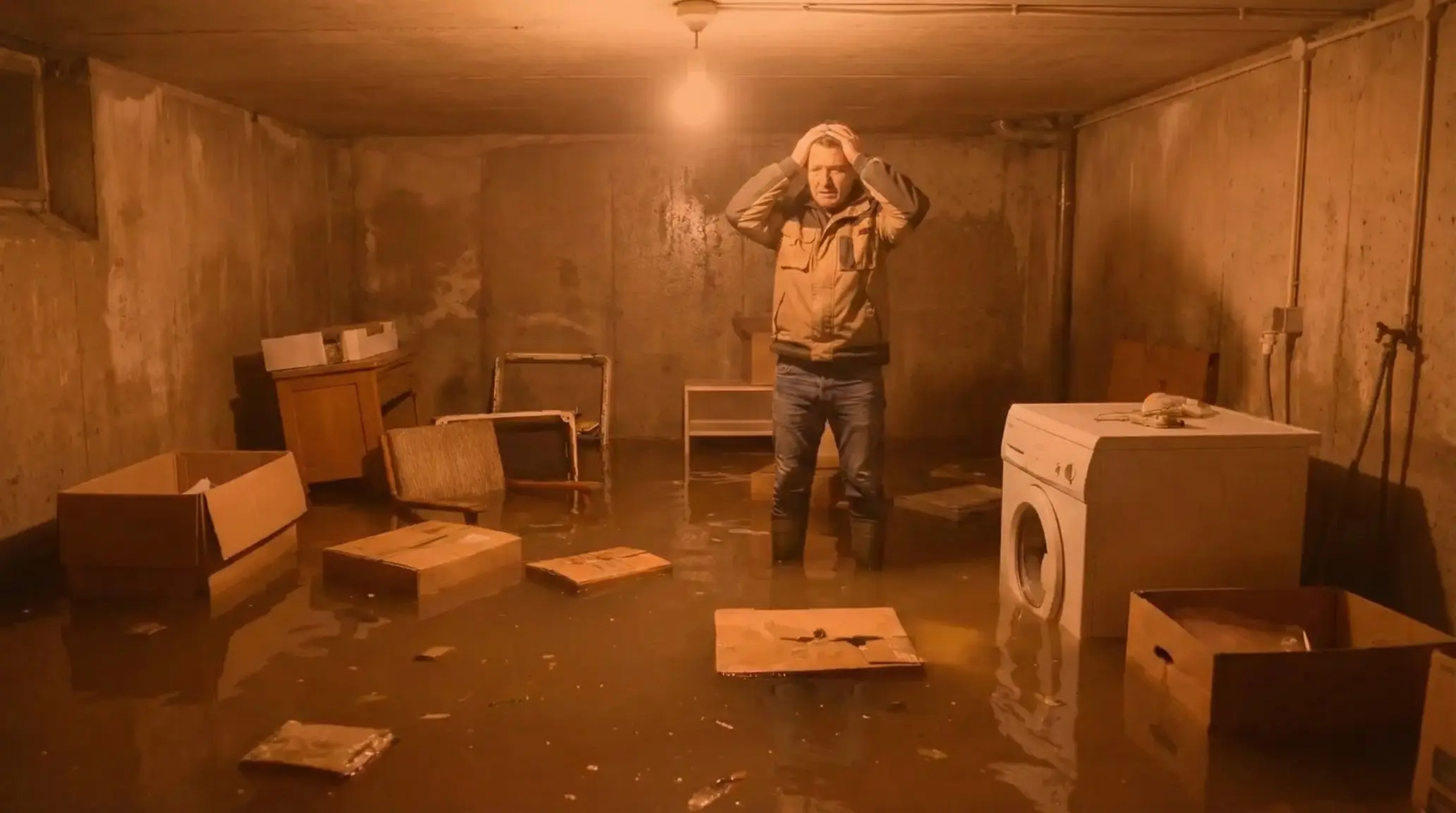
Do you have to throw everything away after a flood?
Experiencing a flood doesn’t automatically mean every belonging is lost. Discover which materials can be safely cleaned and saved, which porous items you must discard for health reasons, and when it’s best to call in professional restoration.
You do not have to throw everything away after a flood, but you must be very selective about what you keep.
Health and safety guidance says to keep only items that can be fully cleaned and dried, and to discard porous materials, contaminated food, and anything that cannot be disinfected or dried quickly.
When you can safely keep and clean items
Hard, non-porous items such as metal cookware, glass dishes, solid plastic items, and many ceramics can usually be washed with hot soapy water and then disinfected, so they do not have to be thrown away.
Public health and extension guidance notes that solid surfaces such as tile, concrete, and plastic furniture can be cleaned and then sanitized with an appropriate bleach solution before reuse.
Items you should almost always throw away
Experts consistently recommend discarding porous items that have been soaked with floodwater and cannot be cleaned or disinfected, including mattresses, carpets and padding, upholstered furniture, pillows, stuffed toys, and many paper products.
These materials can trap bacteria, sewage, and chemicals from floodwater and become a long-term source of mold and illness even if they look dry on the surface.
After a flood, you should throw away all food, drinks, and medicines that have touched floodwater, including sealed cans and packages that may have been in contaminated water or mud.
Agencies like FDA, USDA, and CDC advise that when in doubt, you should discard perishable or exposed food, baby formula, baby bottles, pacifiers, and any medical items to avoid serious foodborne or waterborne illness.
Things that may be salvageable with careful cleaning
Some items that only had limited contact with floodwater, such as lightly damp upholstered furniture or textiles, may sometimes be salvaged by removing and discarding all contaminated fabric and padding while cleaning and disinfecting the frame.
Guidance on textiles and household goods explains that curtains, some bedding, and clothing can often be laundered in hot water with detergent and then thoroughly dried, while anything that remains stained, musty, or difficult to disinfect should be thrown away.
How to decide what to keep VS what to toss
Practical flood recovery checklists suggest using a simple rule: items that absorb water and cannot be cleaned or disinfected should be discarded, while hard, washable items may be kept if you can clean and dry them quickly.
EPA guidance on what to keep and throw away emphasizes going room by room, separating clearly unsalvageable debris from potentially salvageable belongings, and prioritizing your time and money on items that can be restored without risking your health.
Health and mold considerations when deciding
Floodwater is often contaminated with sewage, agricultural runoff, and chemicals, so leaving wet porous materials in place greatly increases the risk of mold growth and indoor air problems.
EPA and CDC stress that removing wet, contaminated materials within the first 24 to 48 hours, combined with aggressive drying and ventilation, is critical to protect your lungs and prevent serious mold-related damage.
Insurance, documentation, and timing
While you do not have to throw away everything at once, insurers and agencies advise you to photograph and list damaged items before discarding them so your claim can be properly documented.
Some FEMA checklists even suggest moving ruined carpets and furniture outside rather than hauling them to the dump immediately, so an insurance adjuster can see what was damaged, while still encouraging you not to delay necessary cleanup and repairs.
Get professional help from ProFix 24/7
ProFix 24/7 can help you sort through what to save and what to discard after a flood, handling the heavy cleanup and mold prevention work so you do not have to manage it alone.
Our team connects you with trusted restoration professionals and supports you through documentation for insurance, so you can focus on your safety and getting life back to normal.
FAQ
1. What kills mold after a flood?
A diluted bleach solution used on hard, non-porous surfaces kills mold after a flood when it is applied after thorough cleaning with detergent and clean water. Public health guidance recommends mixing no more than 1 cup of household bleach in 1 gallon of water, ventilating well, and never using bleach on porous materials or mixing it with ammonia or other cleaners.
2. How long does it take for carpet to mold after a flood?
It takes as little as 24 to 48 hours for carpet to mold after a flood if it stays damp and warm. Because mold spores are already present in most homes, quick extraction of water and high airflow in that first one-to-two-day window are critical to prevent growth in carpet and padding.
3. How to sanitize a house after a flood?
To sanitize a house after a flood, you remove standing water and mud, wash hard surfaces with clean water and detergent, and then disinfect them with a household bleach solution or other approved disinfectant. Authorities advise opening windows, wearing protective gear, following label directions, and focusing on kitchens, bathrooms, and high-touch areas while discarding porous items that cannot be cleaned.
4. Should carpet be replaced if flooded?
Carpet should usually be replaced if flooded with contaminated water such as sewage, river water, or long-standing floodwater, because cleaning cannot reliably remove all pathogens and residues. When water comes from a clean source and the carpet is dried within about 24 to 48 hours, restoration may be possible, but many expert guidelines still recommend discarding the padding and any carpet that stayed wet too long.
5. How long can you stay in a house after a flood?
You can stay in a house after a flood only once local officials or qualified inspectors say there are no immediate structural, electrical, gas, or contamination hazards. Public health agencies note that some people may need to live in a partly damaged home for weeks, but anyone who is vulnerable or facing heavy mold growth should relocate until drying and cleanup are well underway.
6. How to clean up after a flood?
To clean up after a flood, you first ensure safety, turn off utilities if necessary, pump or mop out standing water, and remove mud, debris, and soaked porous materials like drywall, insulation, and carpets that cannot be saved. You then wash and disinfect remaining hard surfaces and run fans and dehumidifiers to dry the building within 24 to 48 hours to reduce mold risk.
7. How to tell if mold is behind drywall after water damage?
To tell if mold is behind drywall after water damage, you look for persistent musty odors, stains or bubbling paint, soft or warped wall surfaces, and unexplained allergy or breathing symptoms in that area. Moisture meters, infrared cameras, or small inspection holes with a borescope can help confirm hidden mold, and many experts recommend calling a mold professional if these warning signs appear.
8. How long does it take for water to cause structural damage?
It takes as little as 24 to 72 hours for water to cause structural damage, especially when wood, drywall, or subfloors remain saturated and are not dried quickly. More severe problems such as rot, warping, foundation cracking, and widespread mold can develop over days, weeks, or longer if leaks or flooding are not fully repaired.
9. What should you not do after a flood?
After a flood, you should not walk or drive through standing floodwater, reenter a building before it is declared safe, or switch on electricity or gas if there is any chance that wiring, appliances, or lines have been damaged. You should also avoid using generators, grills, or gas burners indoors, drinking or eating anything that might be contaminated, or delaying needed cleanup and drying, because these mistakes greatly increase health and safety risks.
10. How do you clean walls after flooding?
After flooding, you clean walls by cutting out and discarding soaked drywall and insulation that cannot be salvaged, then scrubbing remaining studs and hard wall surfaces with detergent and clean water. Once visibly clean, guidance recommends applying a disinfectant, such as a bleach solution, rinsing if needed, and then thoroughly drying wall cavities to prevent mold and further damage.
11. How long to dry out a house after a flood?
To dry out a house after a flood, you can expect three to seven days of active structural drying for many homes in moderate cases, while more complex assemblies and basements can require one to two weeks or longer. Overall, full drying of walls, floors, and concrete can take several weeks, depending on how much water was present, the materials involved, and whether professional drying equipment is used.
12. How do you clean floors after flooding?
To clean floors after flooding, you remove standing water and mud, discard unsalvageable carpet, rugs, or laminate, and then scrub hard flooring with hot soapy water followed by a disinfectant rinse. Agencies advise rinsing thoroughly, drying the floor as quickly as possible, and checking for warping or loosened materials that may need replacement rather than simple cleaning.
13. How long does it take for water to recede after a flood?
It takes anywhere from a few hours to several days or even weeks for water to recede after a flood, with flash floods in well-drained areas dropping quickly and river or coastal floods often lingering much longer. The exact timeline depends on rainfall amounts, the shape of the land and waterways, soil saturation, and how well local drainage systems can carry excess water away.